PANEL DISCUSSION ON COLLABORATION
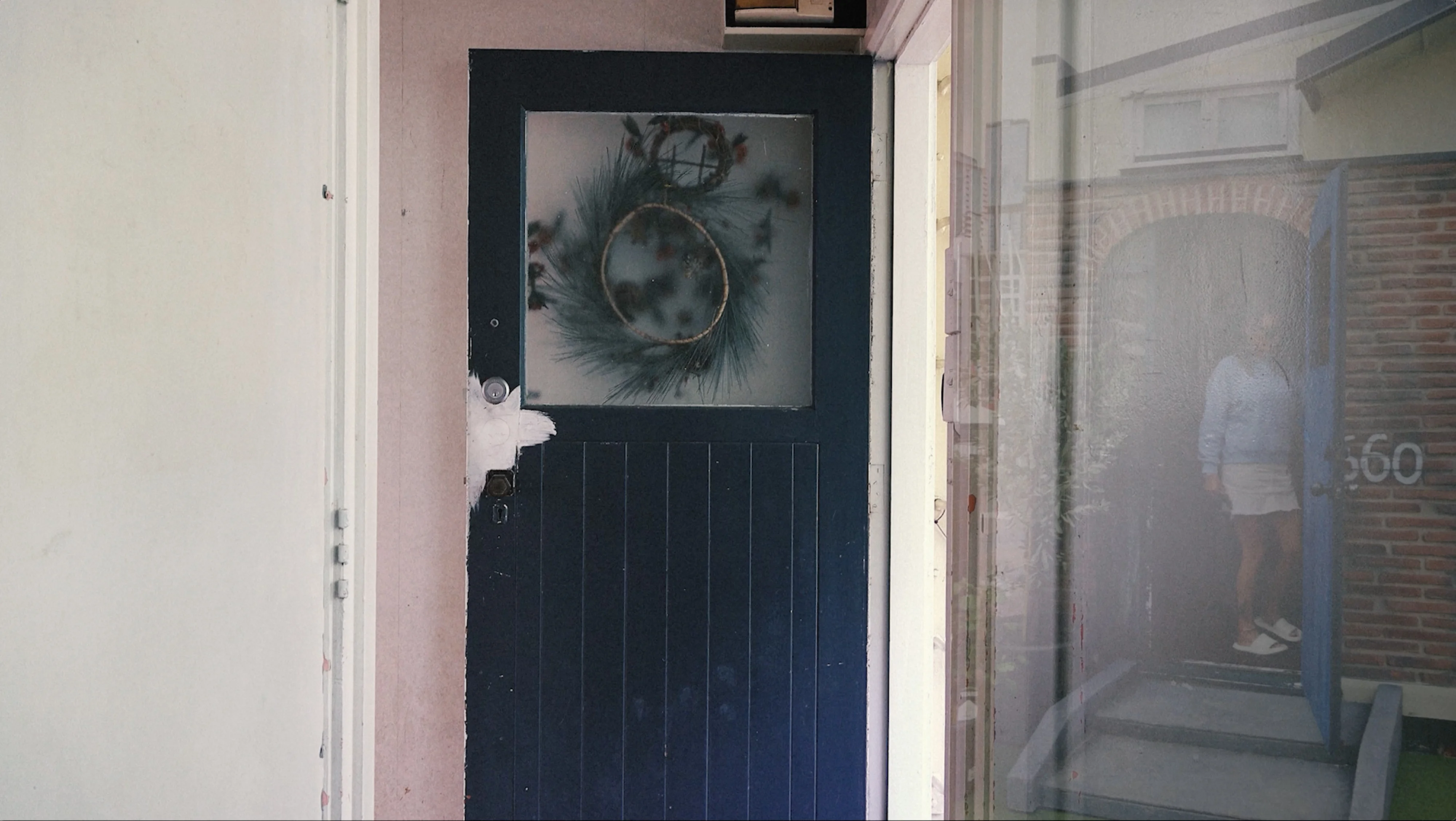
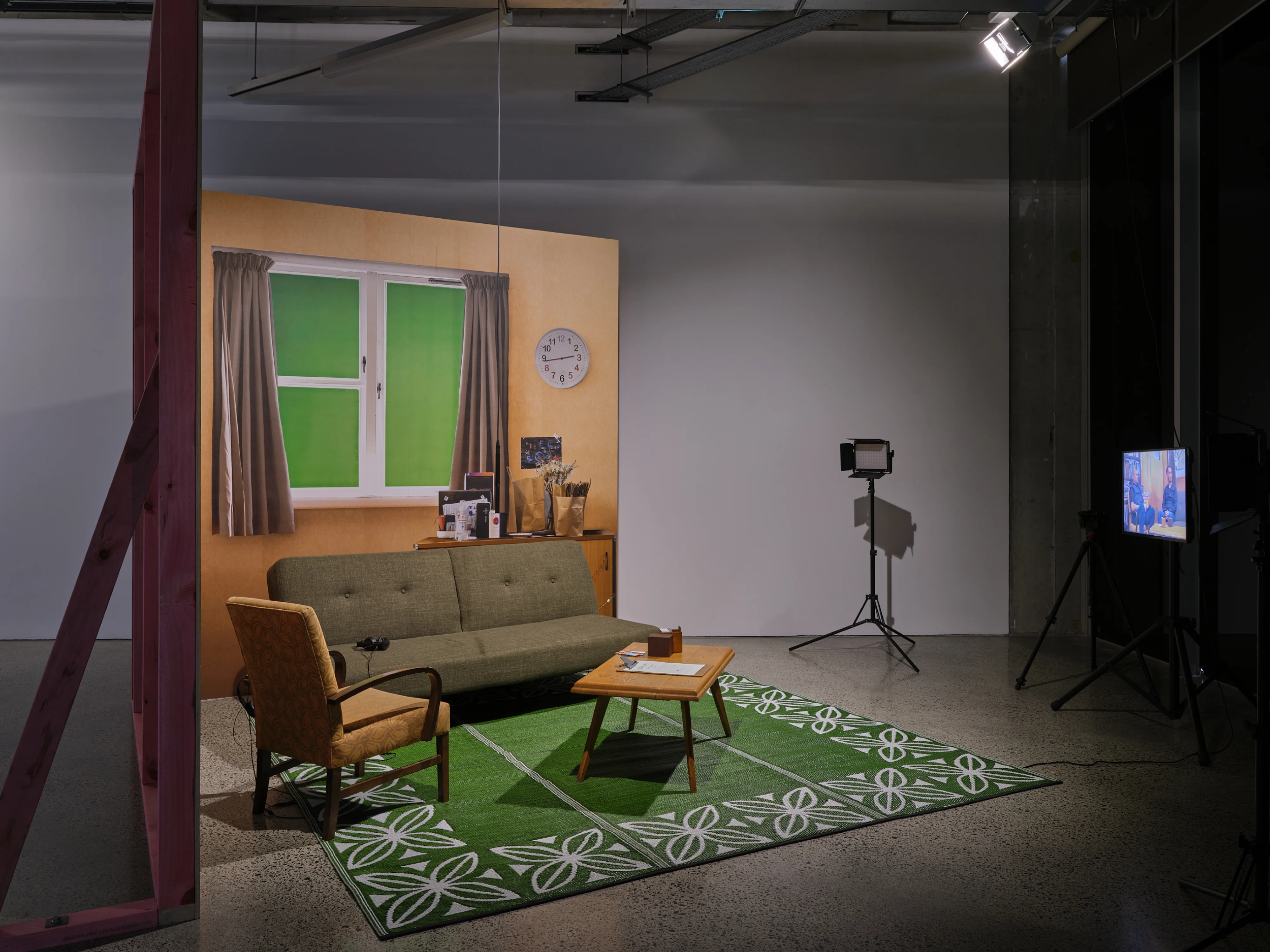
As a special closing event for the exhibition Housing Relations, Te Wai Ngutu Kākā is pleased to stage a panel discussion that brings together four lens-based artists to discuss their distinct and diverse approaches to collaboration. Each practitioner has collaborated extensively across their careers for highly specific reasons, be it to introduce raw experimentation into their practice, to extend forums for discourse and exchange, or as a means of broadening and deepening their approach to practice-based research in ways that overcome the limitations of singular authorship.
Please join us from 5pm, Thursday 14 May, for a 5.30pm start. Refreshments provided.
Gavin Hipkins has exhibited his photography and moving image works globally for several decades. Alongside his solo practice, he established an ongoing collaborative partnership with Wellington-based contemporary jeweller, Karl Fritsch. Adopting a Surrealist exquisite corpse approach, Hipkins typically posts analogue photographs to Fritsch, without any instructions or restrictions for how his collaborator can interpret or alter the prints.
Fiona Amundsen’s practice spans both still photography and moving image, which are utilised to investigate sites of historical trauma and their continued impact on contemporary life. In recent years, video and sound recorded interviews with a range of participants have become a central element of her practice.
Marcos Mortensen Steagall’s photography focuses on high-altitude Andean environments and Indigenous epistemologies of place. Steagall is an Associate Professor in the School of Art and Design, where he brings over 25 years experience in research conducted in both Aotearoa and Brazil. In 2023, Steagall completed a substantial photographic essay that formed a core component of Toiroa Williams' doctoral research exploring his whakapapa and whenua.
For several years, Dieneke Jansen’s practice has focused on establishing long-term relationships with practitioners across Tāmaki Makaurau, including Shadow and Te Huringa Totoro, her core collaborators for the exhibition Housing Relations. In addition, she also considers the camera itself as a ‘collaborator’, which has the potential to generate and sustain forms of social life.